
Technique review
Cue action, alignment, and timing, worked on clearly enough to hold up under pressure.
How coaching works
If your game feels stuck, the session is there to narrow things down: clearer technique, better decisions, and practice you can actually repeat.
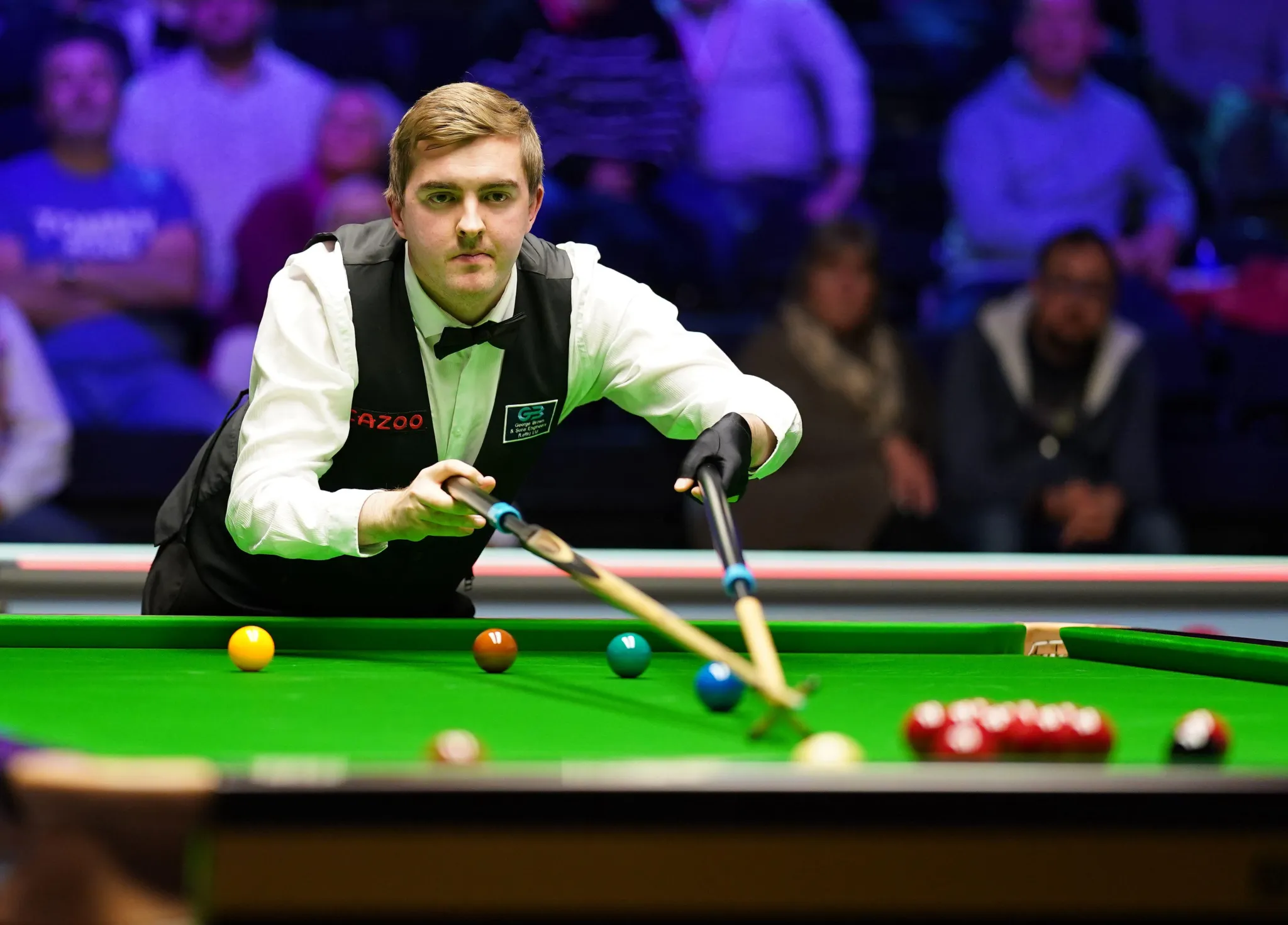
The work has to carry into real frames
Ross Muir gives this page a simple point of reference: the coaching should still make sense when the table gets tighter and the pressure goes up.
Cue action, alignment, and timing, worked on clearly enough to hold up under pressure.
Practice that fits your level and gives you something clear to repeat.
Work tied to shot choice, table management, and pressure.
Session focus
01
Technique review and cue action
02
Shot selection and table management
03
Safety play and match situations
04
Practice routines that fit your level
05
Clear feedback after every session
06
Confidence built through repeatable work
What you should leave with
01
Start with what is actually happening in your game.
02
Work on the part most likely to change results.
03
You leave knowing what to keep, what to tighten, and what to practise before the next session.
Main offer
The main offer for players who want face-to-face feedback and a clear improvement path.
Best if you want face-to-face feedback, a calm room, and work that can be checked directly at the table.
Next step
A short message about your level and current sticking point is enough to work out the best place to start.